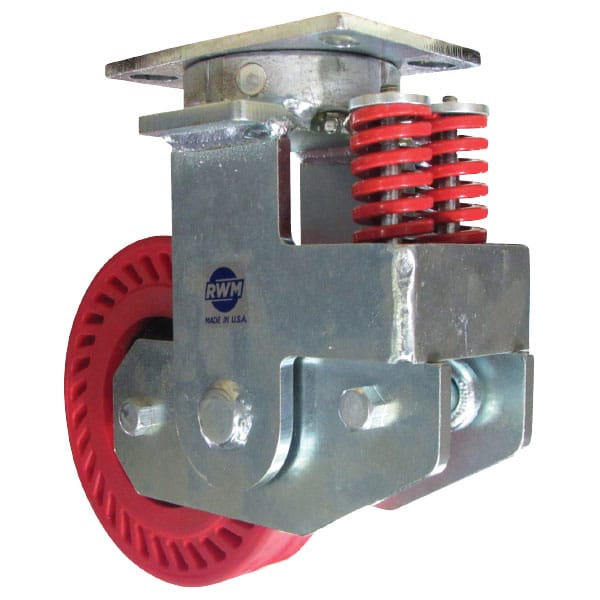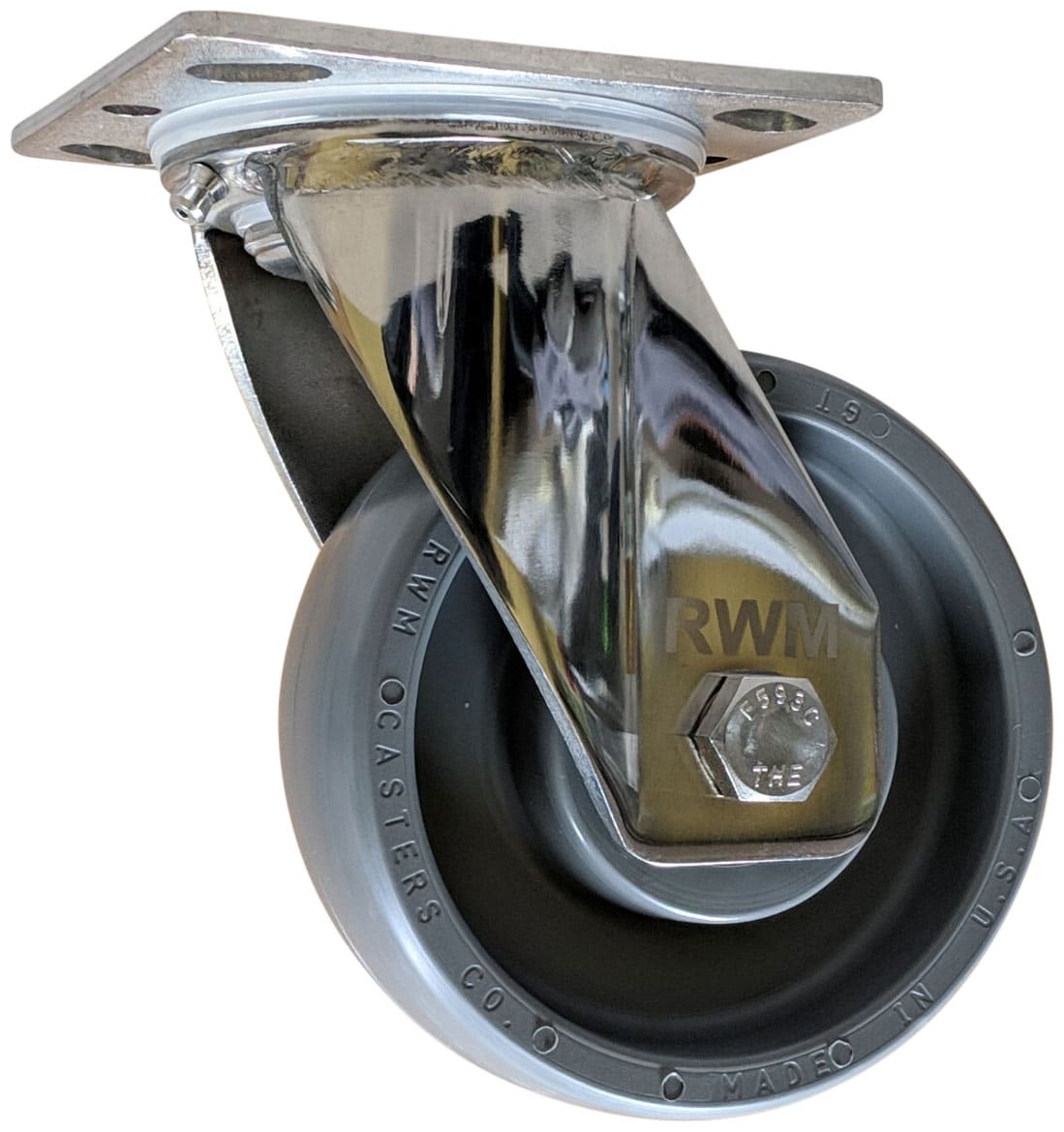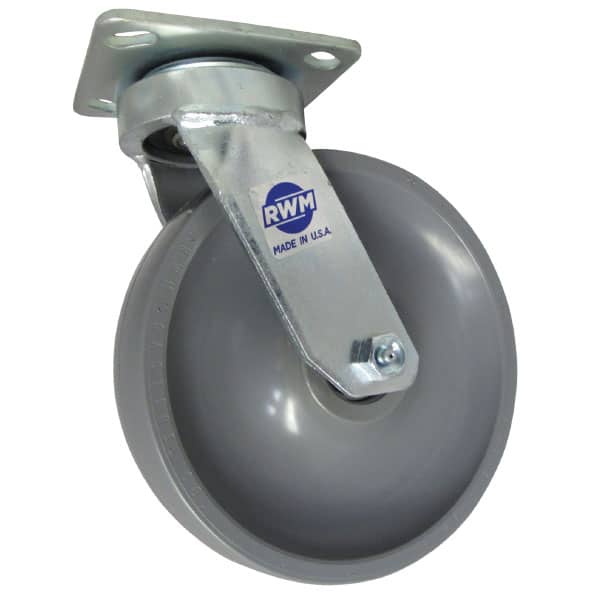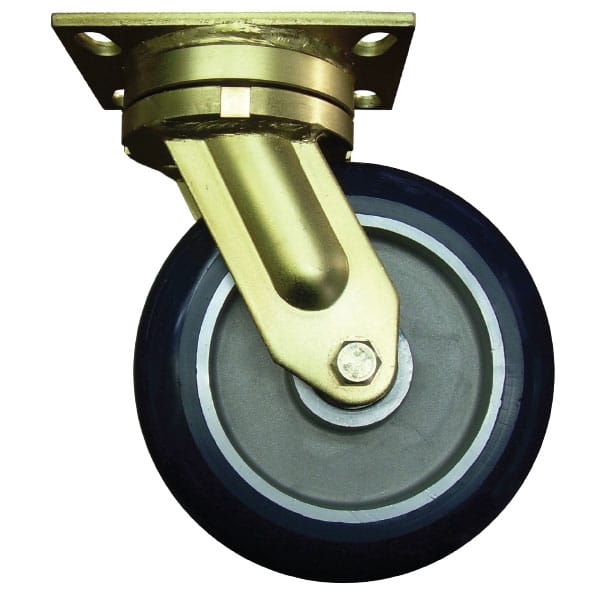
When you’re moving equipment outside, the wheels you choose can make or break your day. Picking the wrong option can slow down your workflow, create safety concerns, and leave your team dealing with unnecessary frustration. Outdoor surfaces introduce challenges that indoor environments simply don’t, which means you need wheels designed to handle unpredictable conditions. With so many choices available, figuring out what works best can feel overwhelming. RWM Casters created this guide to help you sort through the noise so you can select wheels that support your outdoor tasks with confidence.
What Makes Outdoor Wheels Different?
Outdoor wheels must handle conditions that indoor wheels never encounter. Rain, heat, cold, gravel, and uneven surfaces all place extra stress on your equipment. Concrete, asphalt, and packed dirt can wear down materials that work perfectly well inside. This is why outdoor wheels need stronger construction and materials that resist damage from weather and rough ground.
Key Factors to Consider When Choosing Outdoor Wheels
Choosing industrial wheels for outdoor use starts with understanding your environment and how you plan to use them. Your industry, the weight you need to move, and the type of surface you work on all influence the right choice. If you regularly transport items across concrete or gravel, you need wheels that can absorb vibration and resist wear. If your team handles heavy loads, you need wheels that can support that weight without slowing movement or creating hazards.
Think about how often you’ll use the wheels, how far they need to travel, and whether your equipment will stay outside for long periods. In this case, you’ll need weather-resistant wheels. These details help you narrow down your options and avoid wheels that will fail too quickly or create unnecessary downtime.
Why Choose Polyurethane Wheels for Outdoor Use?
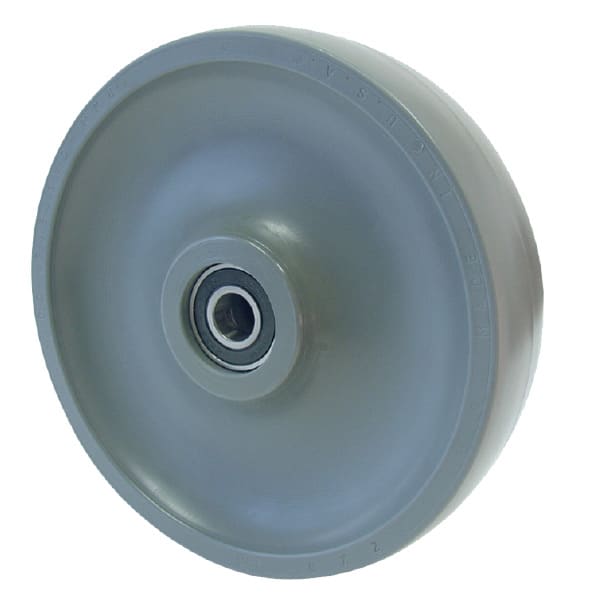
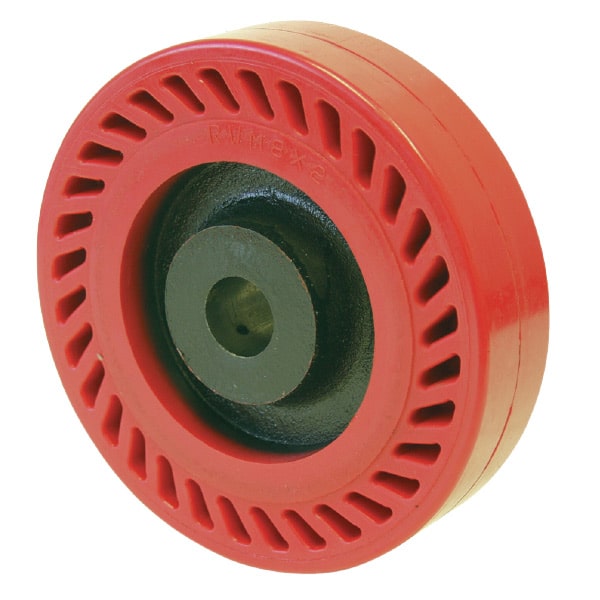
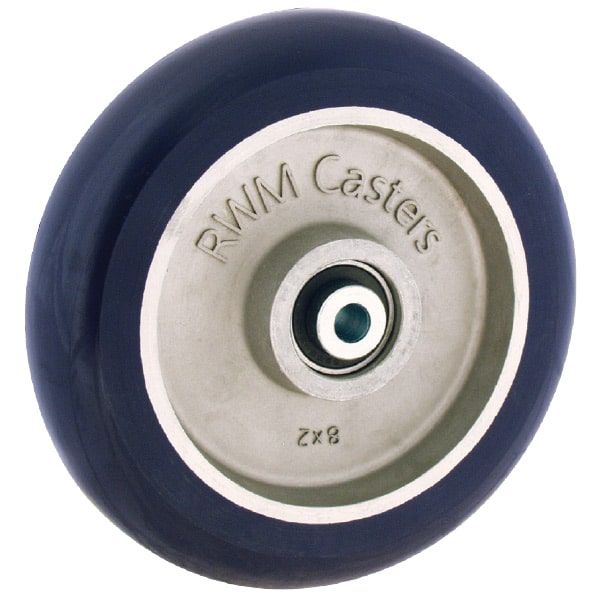
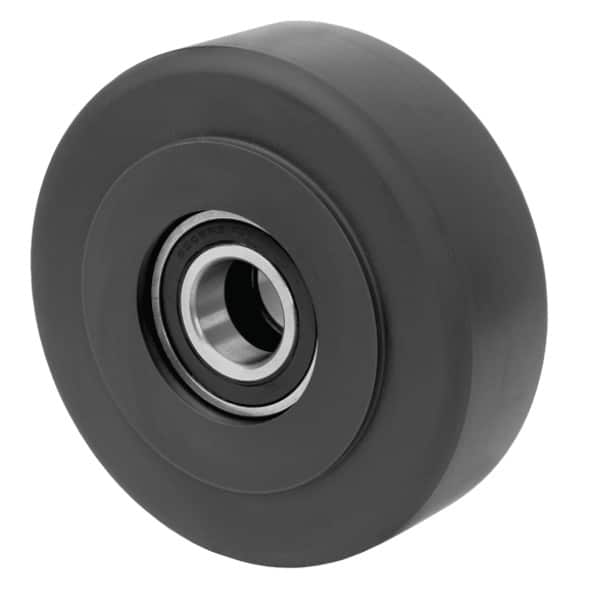
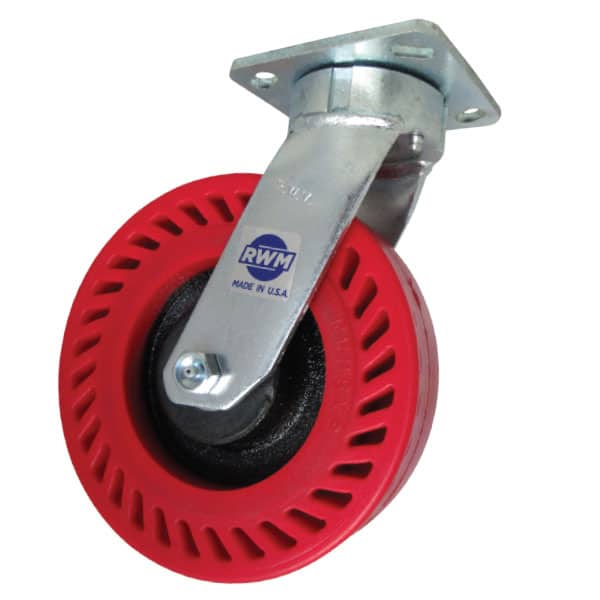
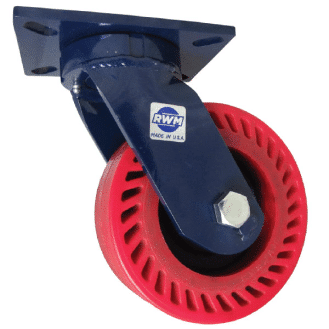
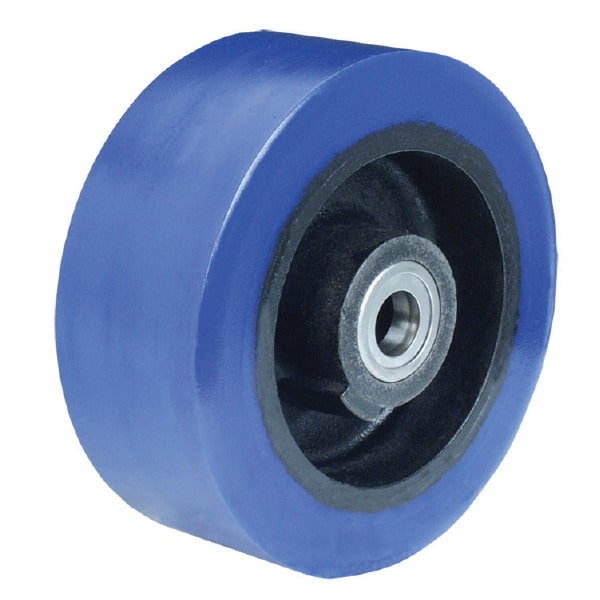
You may be asking yourself, “are polyurethane wheels good for outdoor use?” They’re a popular choice of rough terrain wheels because they balance strength, comfort, and durability. They handle uneven surfaces well and offer a smoother ride than many other materials. They also resist cuts and abrasions, which helps them last longer in demanding environments.
Benefits of polyurethane wheels include:
- Shock absorption: These wheels help reduce vibration, which protects your equipment and makes movement easier for your team.
- Quiet operation: Polyurethane wheels roll more quietly than many alternatives, which can improve your work environment.
- Cut resistance: They resist damage from debris, helping them stay in good shape longer.
- Load support: Polyurethane wheels can carry significant weight without flattening or deforming.
- Surface protection: They’re gentle on floors when equipment transitions between indoor and outdoor areas.
Comparing Polyurethane Wheels With Other Wheel Materials
Understanding how polyurethane compares to other materials helps you make an informed choice. Each material has strengths and weaknesses, and the right fit depends on your needs.
Rubber Wheels
Rubber wheels offer a cushioned ride and work well on uneven surfaces. They’re a good choice when you need comfort and traction. However, they can wear down faster under heavy loads and may not last as long in harsh outdoor conditions. This is a key consideration when people compare polyurethane vs rubber wheels.
Metal Wheels
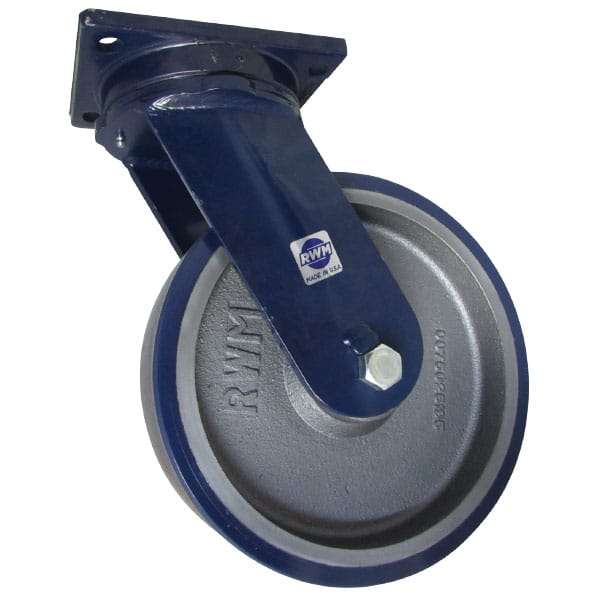
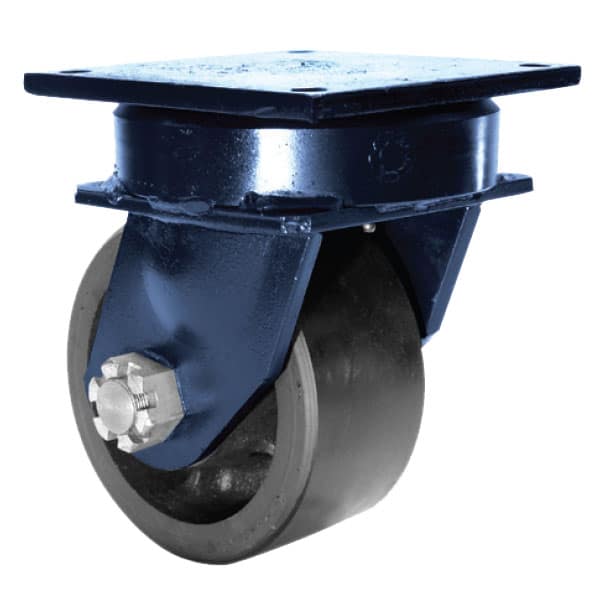
Metal wheels are extremely strong and can handle heavy loads. They’re ideal for industrial settings where durability is essential. The drawback is that they can be noisy and may damage delicate surfaces. They also don’t absorb shock well, which can make movement harder on your team.
Plastic Wheels
Plastic wheels are lightweight and affordable. They work well for light-duty tasks but aren’t ideal for demanding outdoor environments. They can crack under pressure and may not handle rough surfaces effectively.
Choosing the Right Outdoor Wheel for Your Application
We offer a full line of wheels so you can find the right match for your outdoor tasks. Whether you need something for heavy loads, long distances, or unpredictable surfaces, you can explore options that fit your requirements. If you’re unsure which wheel works best, our team can walk you through the available choices and help you make a selection that supports your goals. You can also explore our wheel materials guide and our caster wheels to compare options.
Get Durable Wheels Built for Outdoor Performance from RWM Casters
When you choose RWM Casters, you’re partnering with a team that takes pride in being American-made and committed to delivering the highest quality products for demanding outdoor work. Our team continues setting industry standards by developing solutions that hold up in challenging environments while still offering competitive prices that respect your budget. You also benefit from industry-best lead times that help keep your projects moving without delay. With innovations second to none, we give you outdoor wheel options that support your goals with strength, reliability, and long-term value.
If you want the best wheels for outdoor use, our team is ready to help you choose the right fit. Contact us today. Engineered to Outperform.
Frequently Asked Questions
What wheel material lasts longest outdoors?
Polyurethane often lasts the longest because it resists cuts, moisture, and abrasion. It also handles uneven surfaces well, which helps extend its lifespan.
Are pneumatic wheels better for rough terrain?
Pneumatic wheels work well on rough ground because they absorb shock and roll smoothly over uneven surfaces. They’re a strong choice when comfort and stability matter.
Can polyurethane wheels be used outside year-round?
Yes, polyurethane wheels can be used outside year-round. They resist moisture and temperature changes, which helps them stay reliable in many conditions.
How do I prevent rust or corrosion on outdoor wheels?
Choose wheels with corrosion-resistant finishes and keep them clean after exposure to moisture. Regular inspections help you catch early signs of wear so you can maintain performance.

Contact Us Today