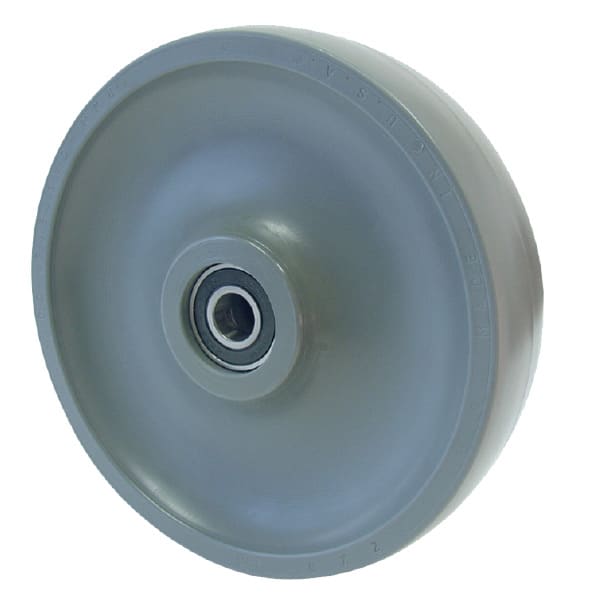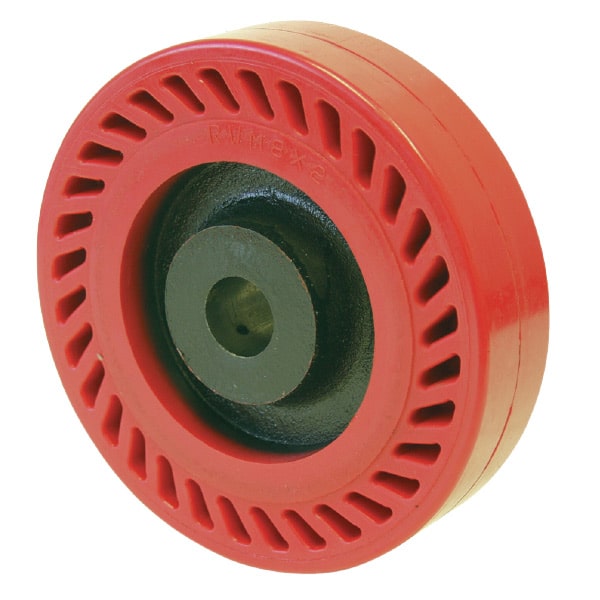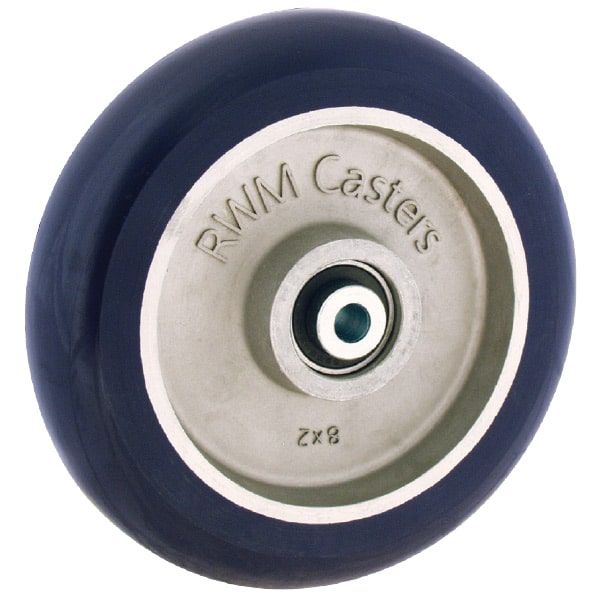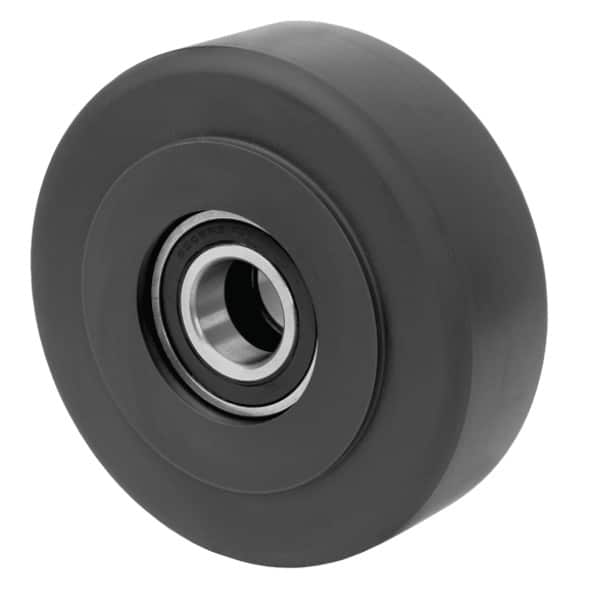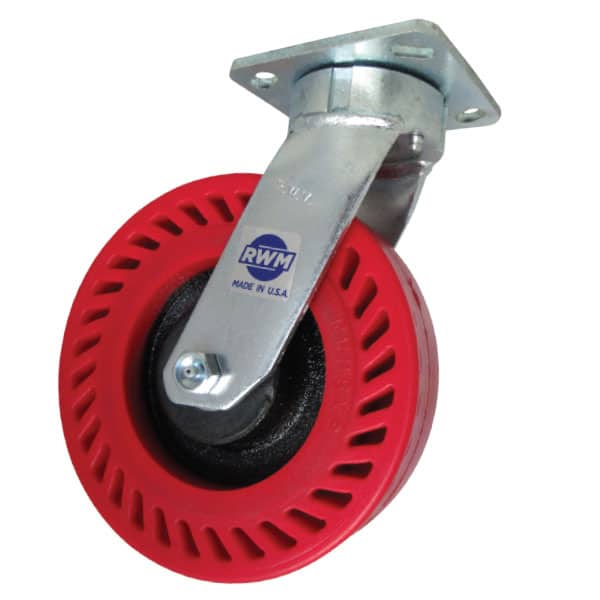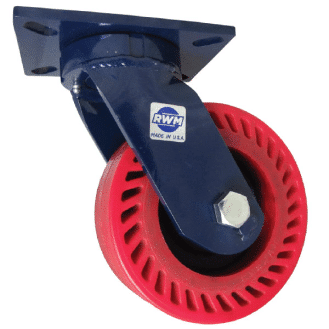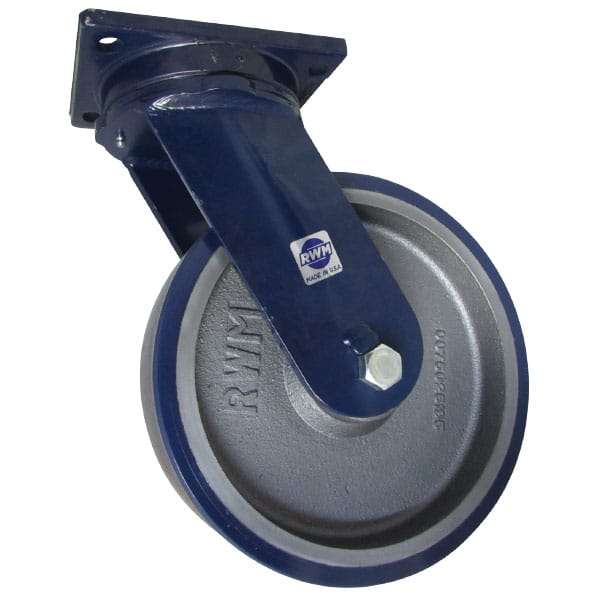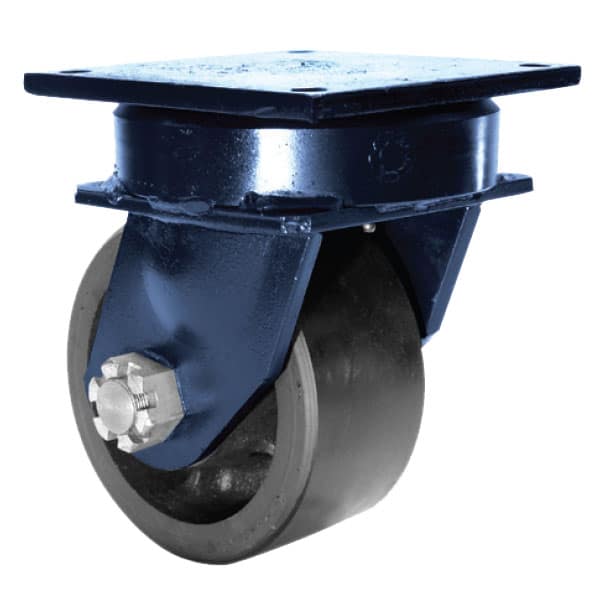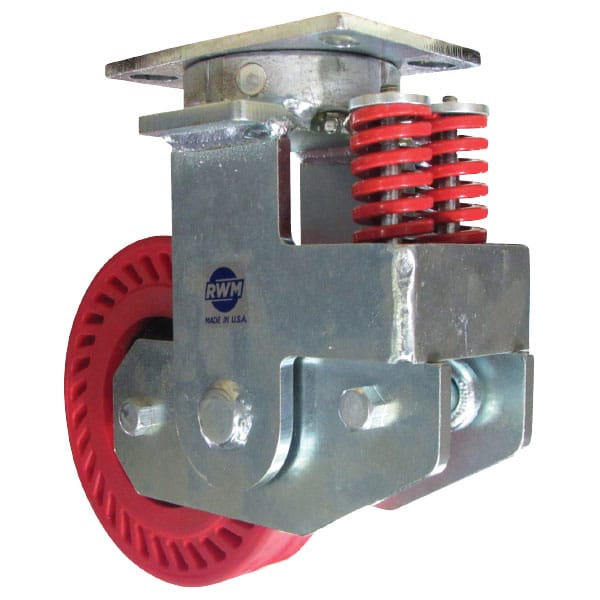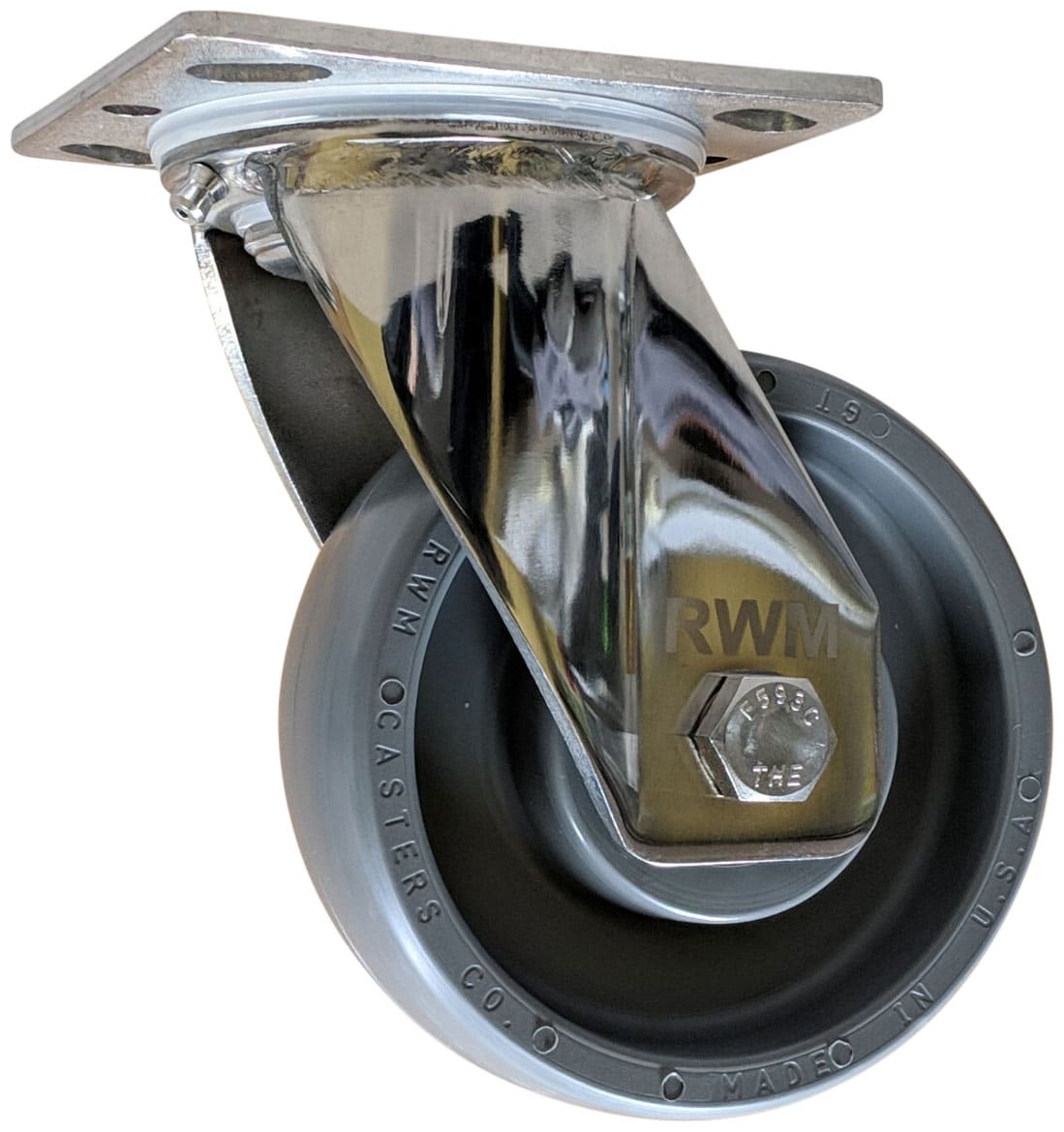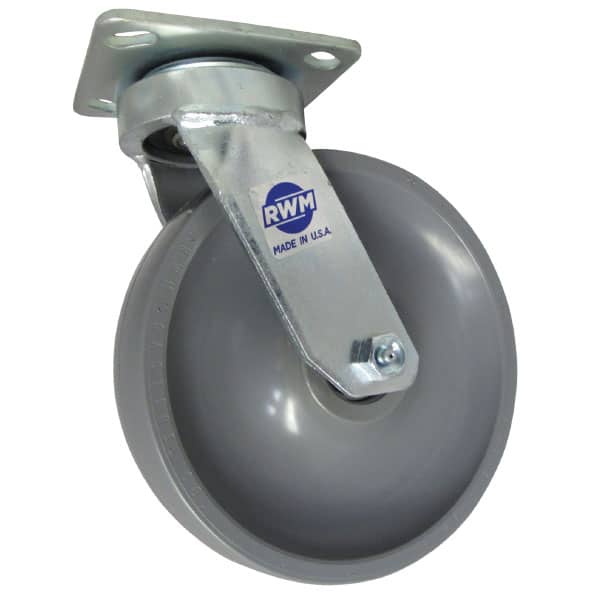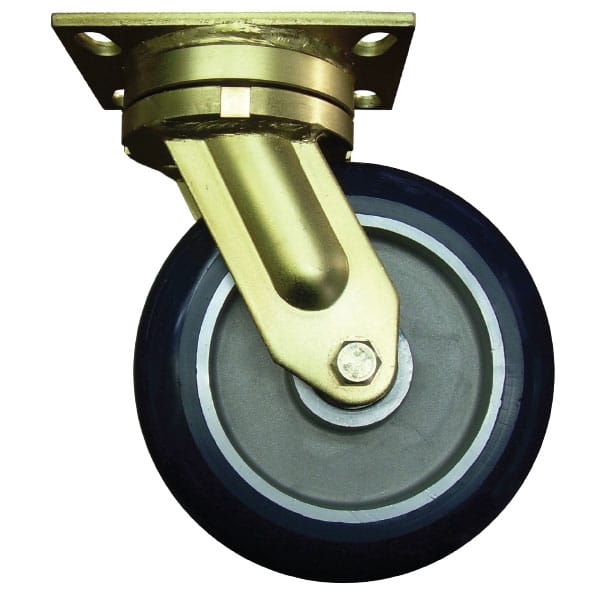
Performance testing is essential for creating dependable mobility products, and one of the most important evaluations is the wheels and caster test, known as the push/pull test. When you rely on casters in daily operations, you need assurance that they’ll move smoothly, respond consistently, and withstand repeated use. That level of reliability comes from thoughtful engineering supported by structured testing that shows how each component performs under realistic conditions. The push/pull test is one of the most effective ways manufacturers measure real-world performance, and RWM Caster uses this method to ensure you receive products that meet high expectations for safety and durability. In this blog, you’ll learn what this test involves, why it matters, and how it helps you choose the right casters for your equipment.
Watch how push/pull testing is performed in real-world applications.
What Is the Push/Pull Test for Wheels and Casters?
The push/pull test is a controlled procedure used to test wheels and caster performance by measuring the amount of force required to start movement and keep the equipment rolling. In simple terms, it evaluates how much effort a person must apply to get a cart, rack, or machine moving and how much force is needed to maintain that motion once it begins. This test helps determine whether a caster design supports smooth operation or creates unnecessary strain for users. Because the test is repeatable and quantifiable, it gives engineers a reliable way to compare different materials, bearings, and tread profiles to see which combinations deliver the best results.
Why This Test Matters
The push/pull test is essential because it directly affects how your equipment behaves in daily use. It also supports safer, more efficient workplaces by identifying caster designs that minimize strain. Here’s why it’s so important:
- Operator safety: When casters roll easily, you lower the risk of strain‑related injuries caused by excessive force.
- Ergonomics and injury prevention: Lower push and pull forces help protect workers from repetitive stress issues, fatigue, and overexertion.
- Equipment efficiency: Smooth movement reduces wear on carts and machinery, helping equipment last longer and operate more consistently.
- Compliance with industry standards: Many industries require documented testing to meet ergonomic and safety guidelines, and push/pull testing helps ensure your equipment aligns with those expectations.
Request A Quote Today
How Push/Pull Testing Works
Push/pull testing follows a structured process that has been refined into a science to ensure wheels are properly engineered and installed. Each step contributes to accurate, repeatable results that reflect real-world conditions.
- Load application: A specific weight is placed on the equipment to simulate actual operating conditions.
- Surface conditions: Tests are performed on defined flooring types to reflect common environments like concrete, tile, or epoxy.
- Measurement tools: Specialized instruments record the force needed to start and maintain movement so engineers can evaluate caster behavior under pressure.
- Data collection: Results are documented and analyzed to confirm whether the caster design meets performance expectations.
Key Factors That Affect Results
Several variables influence push/pull outcomes, and understanding them helps you interpret test data more effectively.
- Load weight: Heavier loads require more force, so casters must be matched to the correct capacity to maintain smooth movement and prevent premature wear.
- Wheel material: Polyurethane, rubber, steel, and nylon behave differently under pressure, and push/pull testing helps determine which option suits your environment.
- Floor conditions: Smooth, clean floors reduce resistance, while rough or uneven surfaces increase it and influence how easily a caster rolls.
- Bearing types: Precision bearings usually roll more easily than plain or roller bearings, which affects how smoothly the wheel turns under load.
- Environmental conditions: Temperature, moisture, and debris can all impact rolling performance, and testing helps predict how casters will behave in challenging settings.
What Push/Pull Test Results Reveal
Push/pull data provides valuable insight into how casters will perform once they’re in use. These results help you understand what to expect from a product before it reaches your facility.
- Initial force vs. sustained force: These measurements show how much effort is needed to start movement compared to keeping the equipment rolling.
- Rolling resistance: Lower resistance means easier operation and less strain on workers, helping determine whether a caster is suitable for frequent movement or heavy loads.
- Product durability and performance: Consistent results indicate a well‑designed caster that can handle demanding environments.
- How results influence product design: Engineers use this information to refine materials, bearings, and tread profiles for better performance.
RWM Casters’ Push/Pull Testing Process
As a long‑standing wheel and caster manufacturer, RWM Caster brings extensive expertise to every stage of testing. Our in‑house capabilities allow us to evaluate caster performance under controlled conditions that reflect real operational challenges. By maintaining strict quality assurance procedures, we ensure each product delivers consistent, dependable results for your applications. Our testing philosophy focuses on accuracy, repeatability, and real-world relevance so you can trust the casters you choose.
Industry-Leading Testing Standards
RWM follows recognized testing protocols that align with established ergonomic and safety guidelines. This commitment reinforces our credibility in caster manufacturing and gives you confidence that each product has been evaluated with precision and care. Our adherence to industry standards ensures you receive casters that support safe handling practices and long-term reliability.
Access the Full Push/Pull Testing White Paper
If you want a deeper look at the science behind push/pull testing, you can explore RWM’s detailed resource.
Download our Push/Pull Testing White Paper.
How to Choose Wheels and Casters Based on Test Results
Push/pull data helps you make informed decisions when selecting casters for your equipment. Understanding how different designs perform allows you to choose products that support your workflow.
- Matching application needs to test data: Choose casters that align with your load requirements, floor type, and operating environment.
- Reducing strain on workers: Lower push and pull forces support safer handling and reduce fatigue.
- Improving operational efficiency: Smooth rolling casters help your team move materials more quickly and with less effort.
Conclusion
Push/pull testing plays a vital role in confirming caster performance, helping you choose products that support safety, efficiency, and long‑term reliability. RWM Caster continues to lead the industry with advanced testing methods and a commitment to quality that you can trust.
If you’re ready to explore solutions that meet your operational needs, we offer a full line of resources and product options to meet your needs. Discover how RWM’s testing expertise can support your workflow, and contact us today.
Frequently Asked Questions About Wheels and Caster Testing
What is a good push/pull force?
A good push/pull force is one that keeps effort within ergonomic guidelines while still supporting the required load. Lower forces generally indicate smoother rolling and better caster design, but the ideal number depends on your application and industry requirements.
How often should wheels and casters be tested?
Testing frequency varies by environment, but many facilities evaluate casters during routine maintenance or whenever equipment performance changes. Regular checks help you catch wear early and maintain safe operation.
Do different industries require different testing standards?
Yes. Sectors like healthcare, manufacturing, warehousing, and food service often follow unique guidelines based on safety, hygiene, or ergonomic needs.
Can push/pull testing prevent workplace injuries?
While no test can eliminate all risks, push/pull testing significantly reduces strain-related injuries by identifying casters that roll smoothly and require less effort.
Contact Us Today