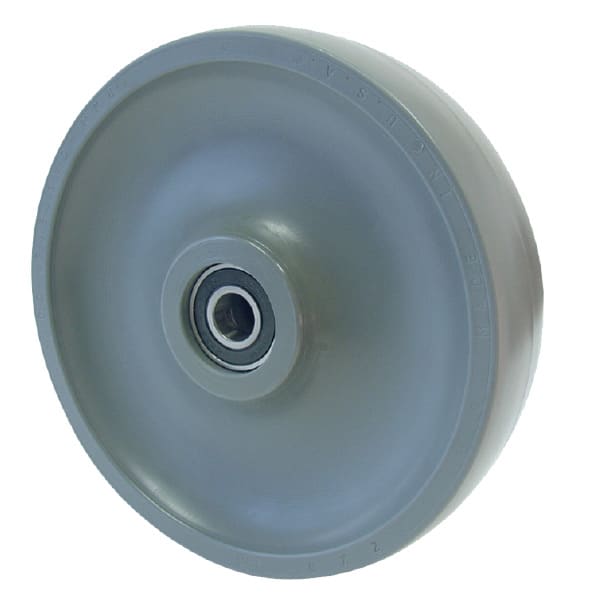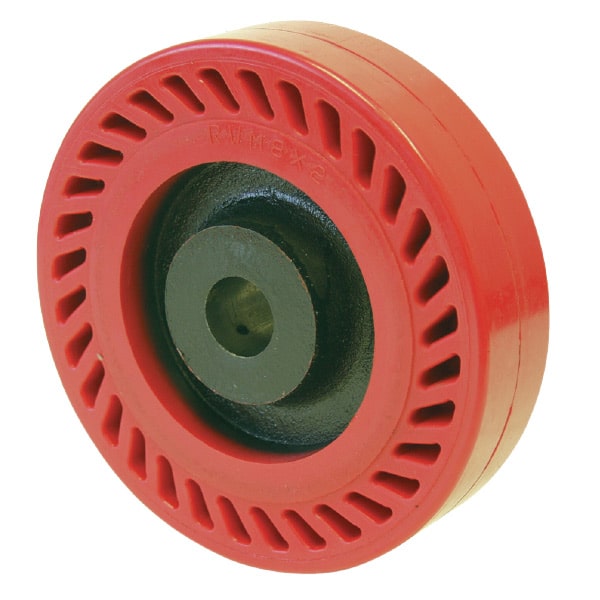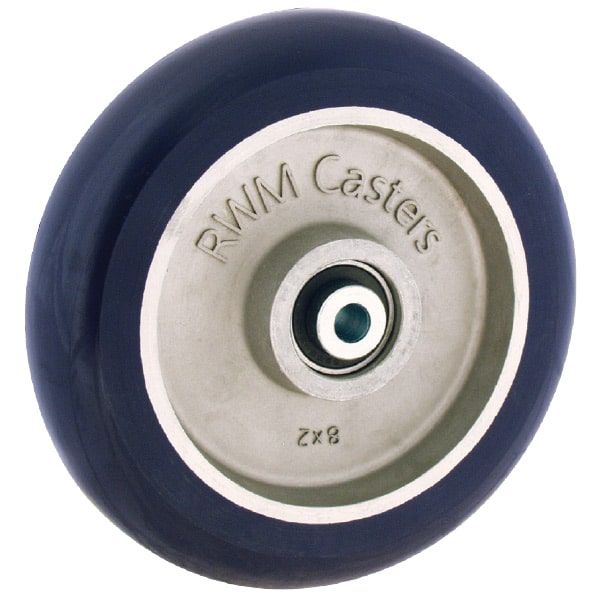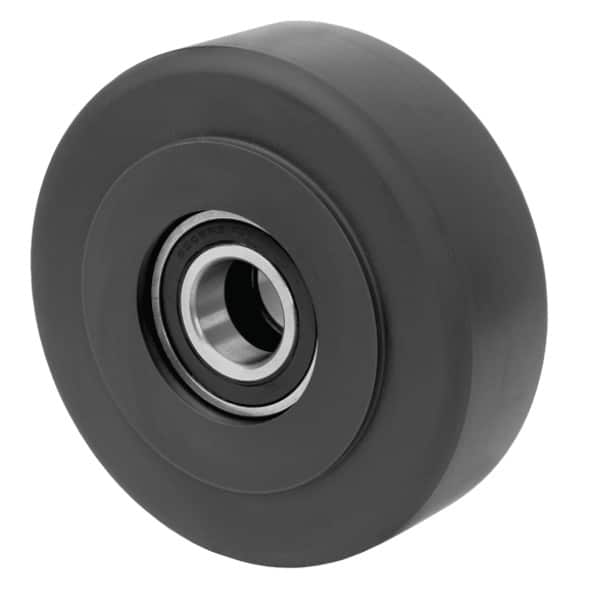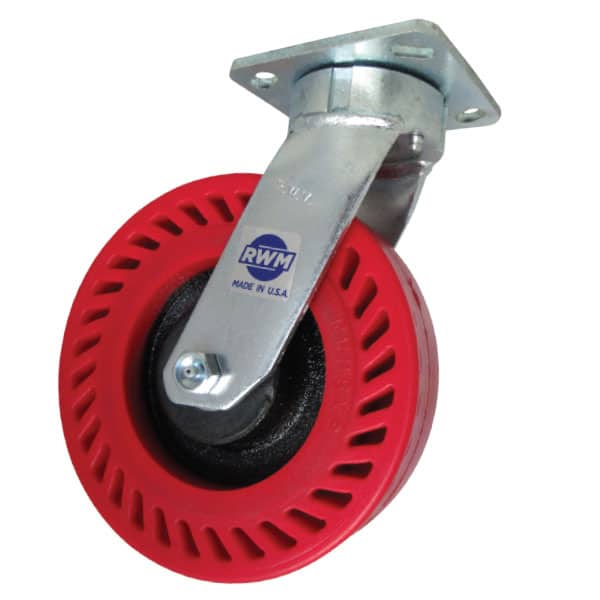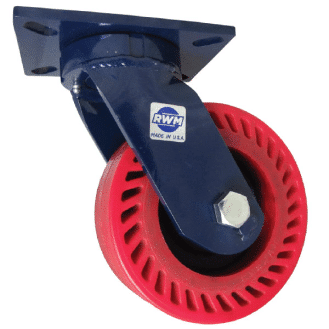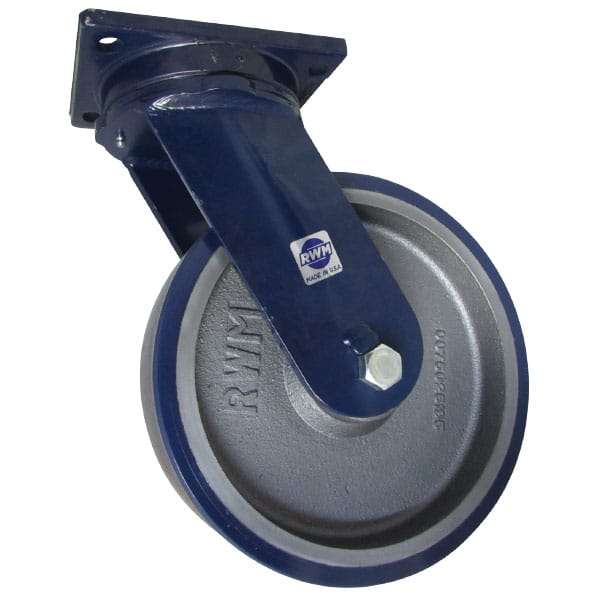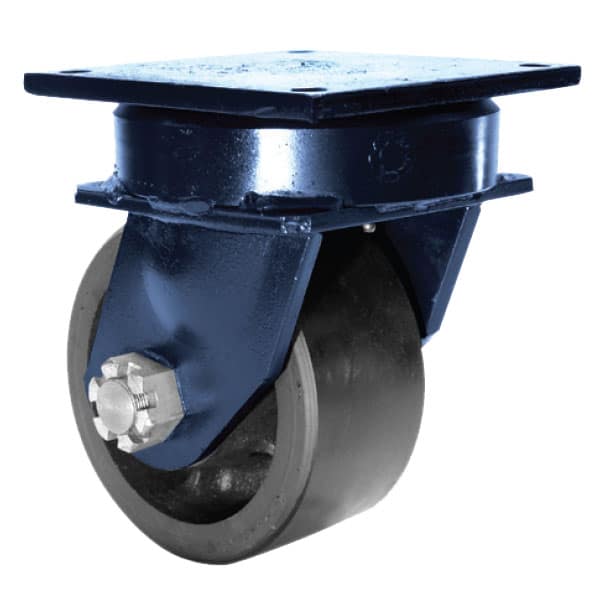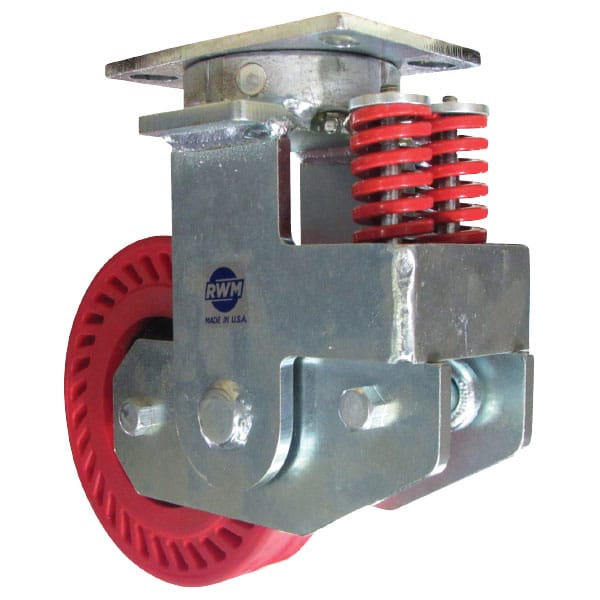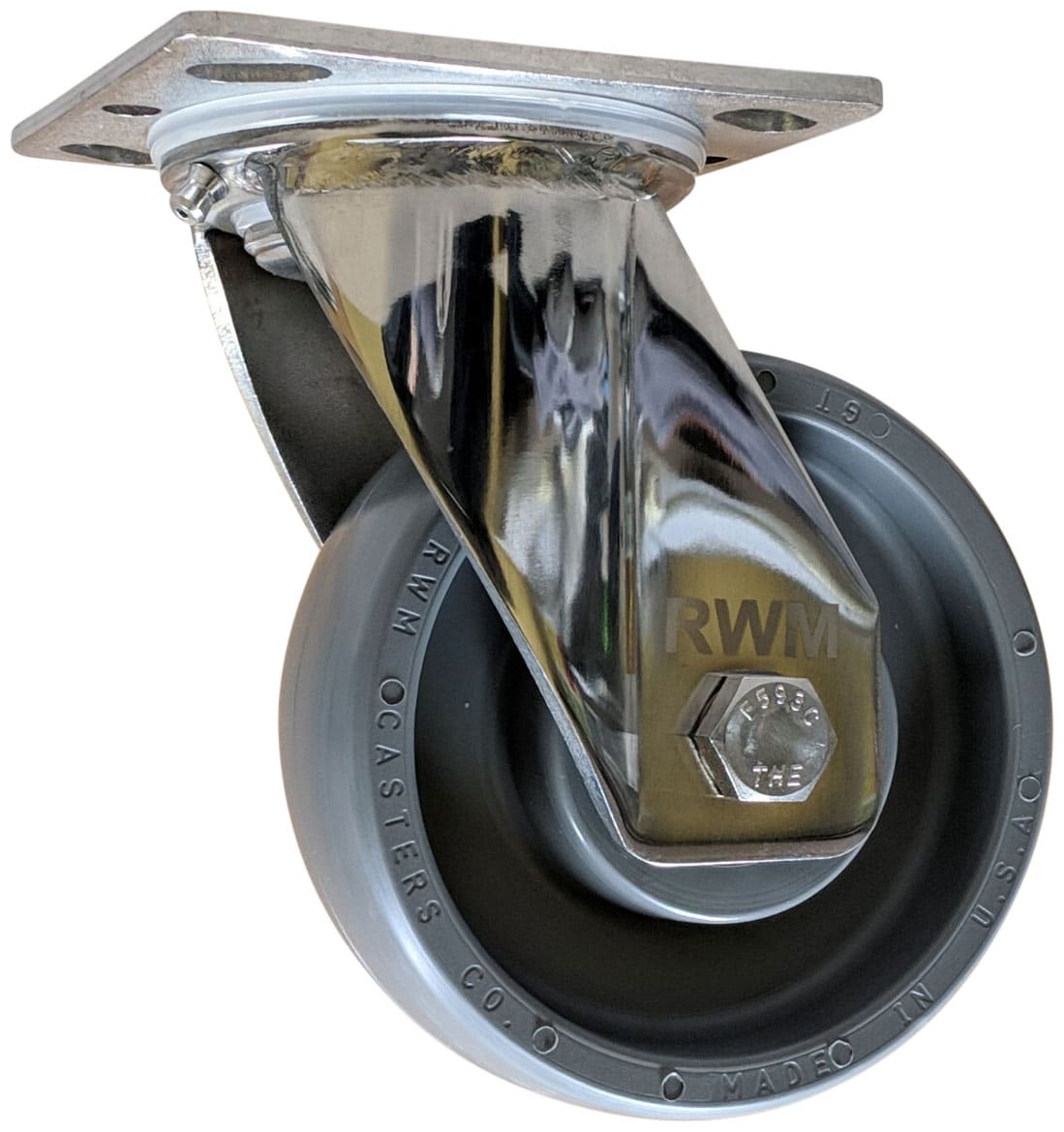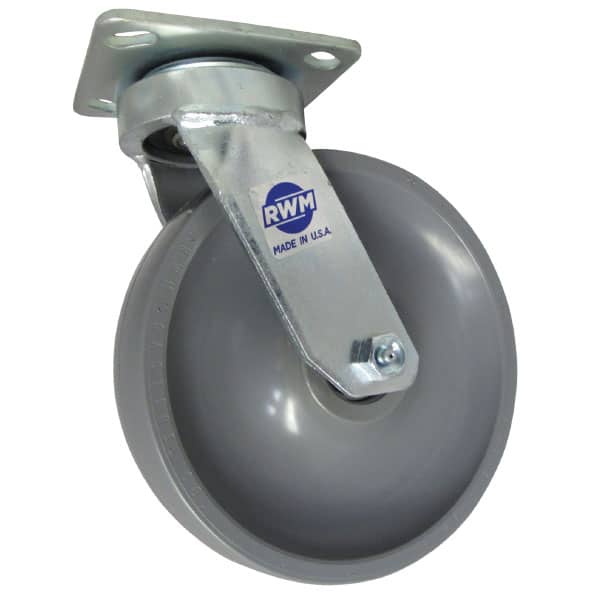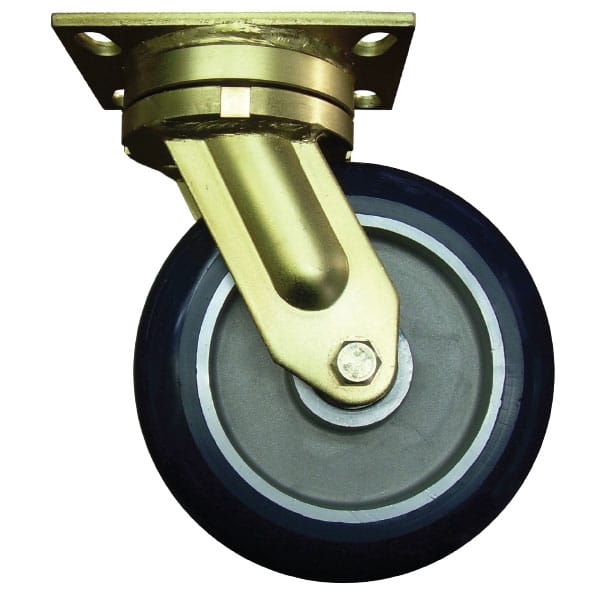
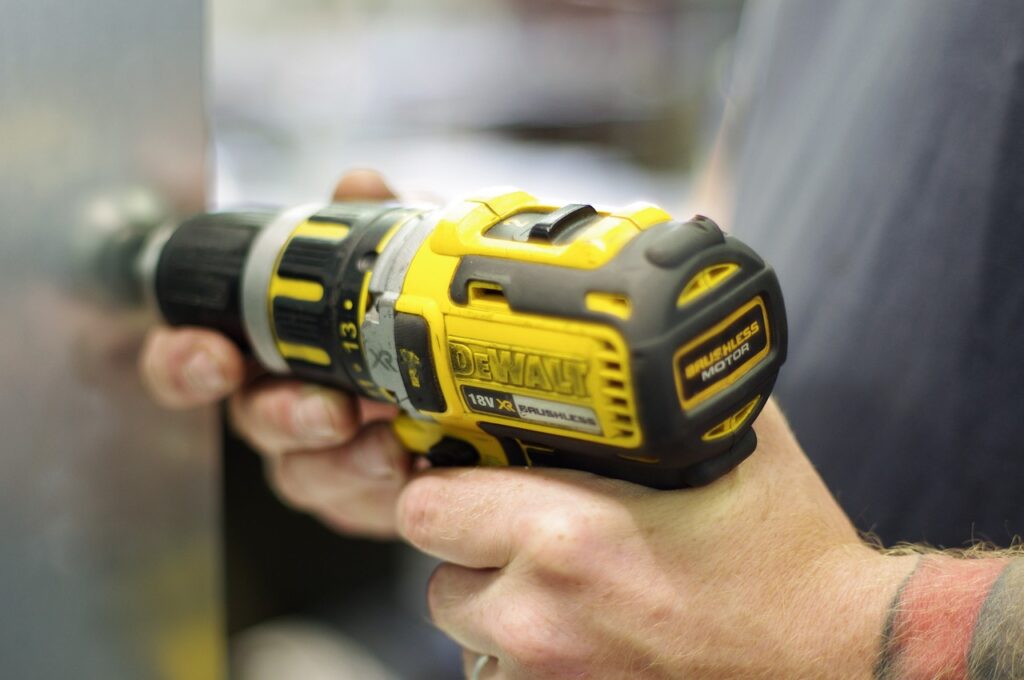
Picture yourself trying to shift a heavy metal table across a crowded banquet hall or a busy industrial workspace. You brace your legs, try to lift one side, and immediately feel how risky it is for your back, shoulders, and anyone helping you. That kind of strain can lead to injuries or damaged flooring. Now imagine how much easier life becomes when you can simply roll that table wherever you need it. Adding wheels to a metal shelf or table transforms a stubborn piece of furniture into something you can move with almost no effort. RWM Casters aims to guide you through choosing and attaching the right components so you can upgrade your setup safely and confidently.
Why Add Casters to a Metal Table?
Adding industrial casters to metal table legs gives you flexibility, convenience, and better control over your workspace. You can rearrange equipment quickly, clean underneath surfaces without straining, and adapt your layout whenever your needs shift. Casters for metal tables also help you protect floors from dragging or scraping. When you choose the right style, you gain smoother movement, better stability, and a more efficient environment overall.
Things to Consider Before Installing Casters
Before you start drilling or gathering hardware, you need to think through several important factors. Each detail affects how well your table will roll, how long your casters will last, and how safe the finished setup will be. Taking a few minutes to evaluate your situation helps you avoid mistakes and ensures your project goes smoothly.
Here are the key things to consider:
- Weight rating: You need casters that can support the full load of your table and anything placed on it. Our load capacity chart can help you choose the right rating.
- Floor surface: Hard floors, textured concrete, and tile all behave differently. Our wheel materials guide can help you find a caster to match your environment.
- Mounting style: Your table’s leg design determines whether you need a plate, stem, bolt hole, hollow kingpin, or welded option.
- Mobility needs: Think about how often you plan to move the table and whether you need a swivel, a rigid, or a combination of both.
- Braking requirements: If you want the table to stay put during use, locking mechanisms are essential.
- Clearance and height: Casters add height, so make sure the new working level still fits your needs.
- Accessories: Items like brakes, thread guards, and swivel locks can improve performance.
Choosing the Right Casters for Metal Table Legs
Caster Mounting Types
- Top plate: This style uses a flat plate with bolt holes that fastens directly to the bottom of the leg. It works well for most applications because it spreads weight evenly and offers strong support.
- Stem: A stem uses a post that inserts into a socket or tube. It’s ideal for lighter furniture and situations where you want a clean, minimal look.
- Bolt hole: This type uses a single bolt through the center of the caster. It fits tight spaces and works well for compact equipment.
- Hollow kingpin: This option has an open center where you supply your own bolt. It’s useful for custom builds or unique mounting patterns.
- Welded: This style is permanently attached to the frame. It’s best for heavy-duty environments where you want maximum strength.
Load Capacity and Safety Factors
Load capacity determines how much weight your casters can safely support. If you underestimate this number, you risk failure, wobbling, or damage to your table. Always calculate the total weight of the table plus anything you plan to place on it. Divide that number by four to estimate the minimum rating each caster needs, then add a safety margin. This helps you avoid strain on the components and ensures smooth, reliable movement over time.
Step-by-Step: How to Install Casters on Metal Table Legs
Before you begin, take safety precautions. Wear protective eyewear, use gloves when handling sharp edges, and make sure your table is empty. If possible, have someone help you stabilize the table while you work. Once you’re ready, follow these steps to complete your DIY caster installation.
- Clear the workspace and flip the table carefully.
- Measure the leg dimensions to determine the correct mounting style.
- Mark drilling points or attachment spots.
- Drill pilot holes if needed.
- Attach the mounting hardware.
- Secure each caster firmly.
- Test movement and stability before flipping the table upright.
Tools and Materials You’ll Need
Gathering the right tools ahead of time makes the job easier and helps you avoid interruptions. Having everything within reach lets you focus on accuracy and safety.
You’ll need:
- Drill with metal bits
- Measuring tape
- Marker or pencil
- Wrench or socket set
- Screws or bolts
- Safety glasses
- Work gloves
How To Attach Casters to Metal Furniture
Here’s how to attach casters to metal legs from start to finish.
Step 1: Turn the piece over and place it on a stable surface.
Step 2: Measure each leg to confirm the mounting style you need. This is especially important if you plan to add casters to metal table legs with a specific design.
Step 3: Mark the attachment points so your table leg caster installation stays even.
Step 4: Drill pilot holes if you’re using a plate or bolt hole style.
Step 5: Position each caster and secure it with bolts or screws.
Step 6: Tighten all hardware and check for wobbling.
Step 7: Flip the table upright and test movement. This is a good time to compare stem vs plate casters if you are still deciding which style works best.
Step 8: Make any final adjustments and confirm that the brakes engage properly.
Upgrade Your Table with the Right Casters from RWM Casters
Choosing the right components can completely transform your furniture. When you add casters to metal table legs, you gain mobility, convenience, and a safer workspace. RWM Casters delivers American-made quality with competitive prices, industry-best lead times, and innovations second to none. Our commitment to setting industry standards means you get reliable performance every time you shop our industrial casters. If you want guidance on how to attach casters to metal legs or need help selecting the right style, our team is ready to support you.
Find a distributor to explore options that fit your project.
Frequently Asked Questions
Can I add casters to any metal table leg?
Most metal tables can accept casters as long as the legs are strong enough and have a compatible mounting surface.
Do I need locking casters for a work table?
Yes. Locking casters are recommended for work tables because they keep the surface steady during use.
How many casters should I use on a table?
Most tables use four casters, one on each leg. This setup provides balanced support.
Will casters increase the height of my table?
Yes, casters add height based on wheel size and mounting style.

Contact Us Today