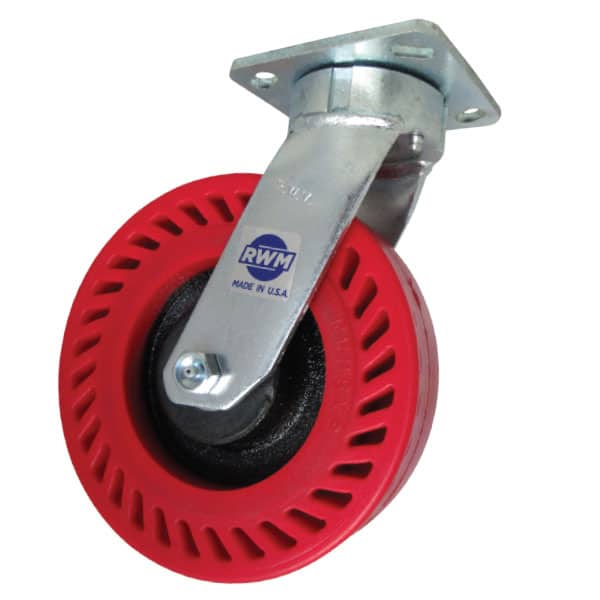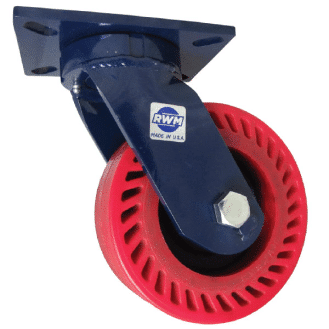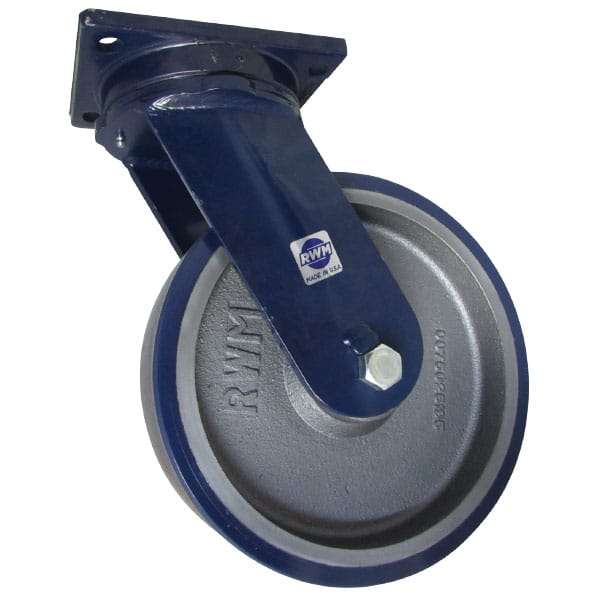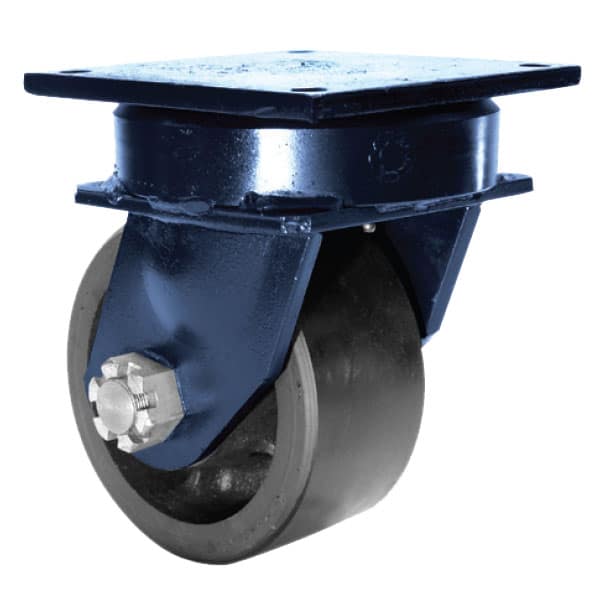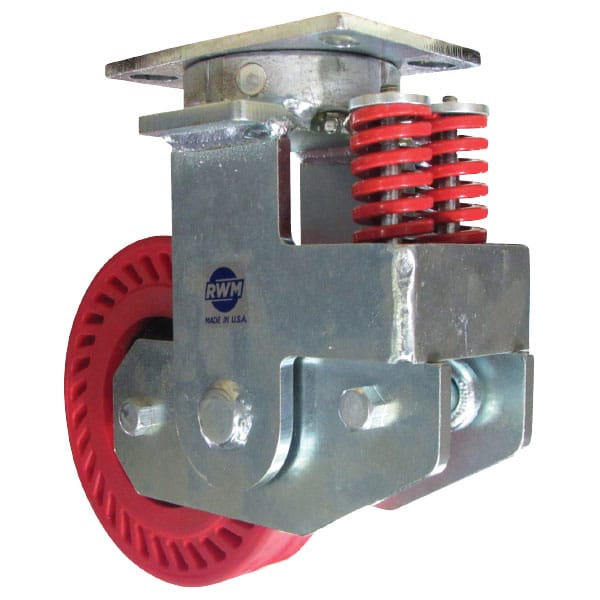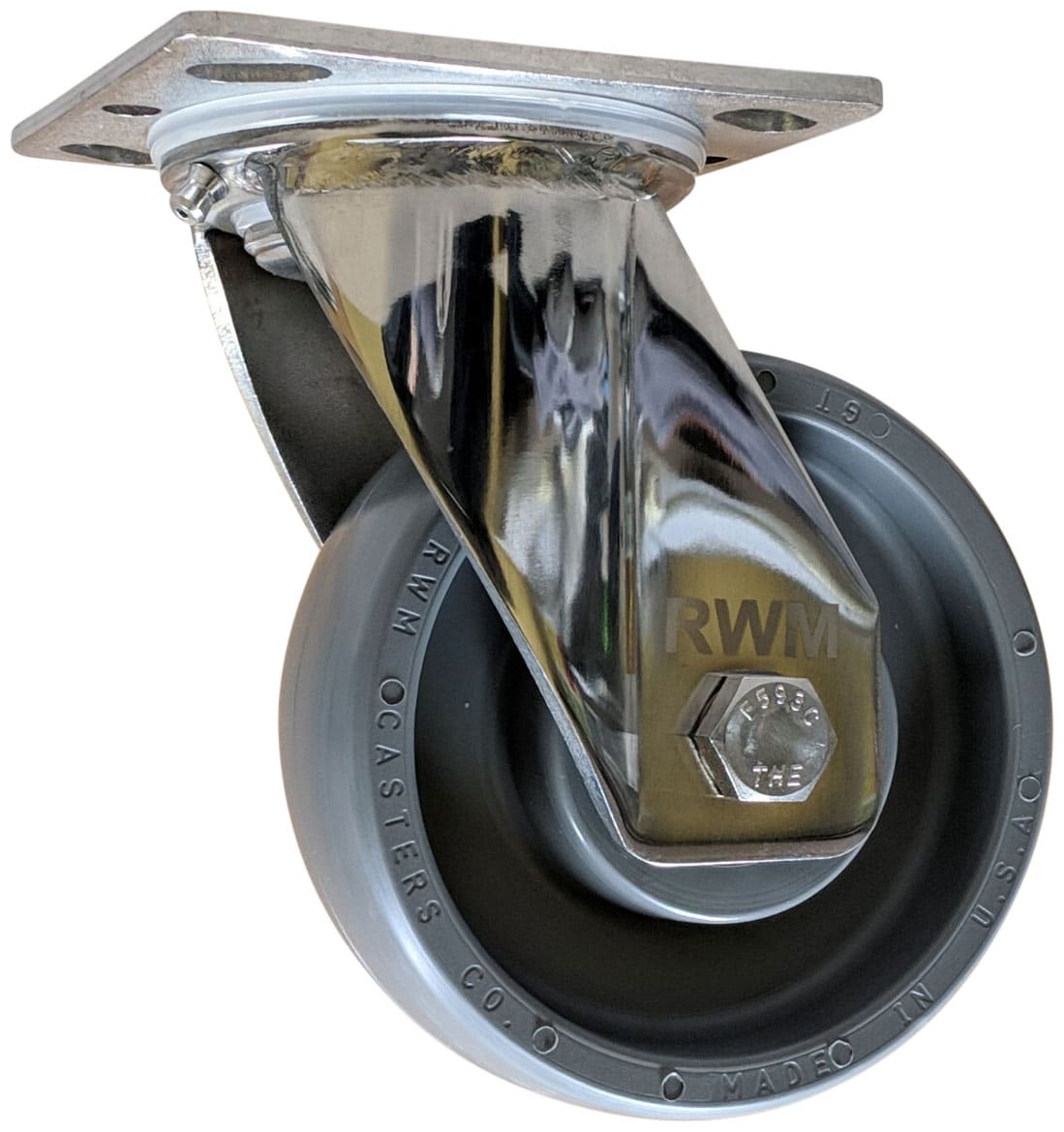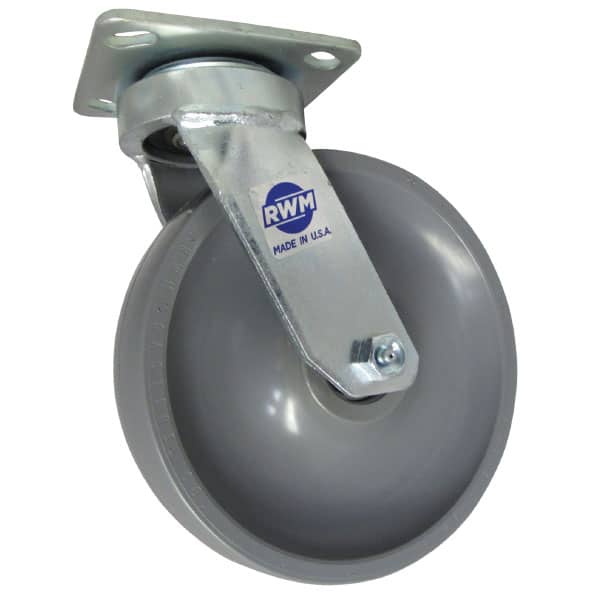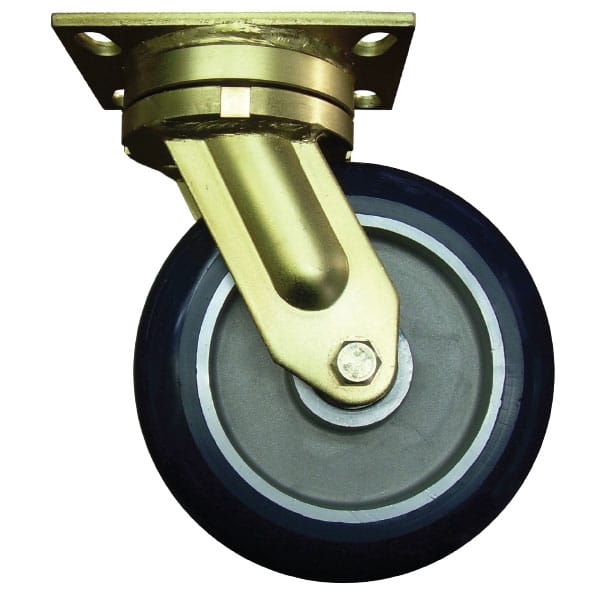
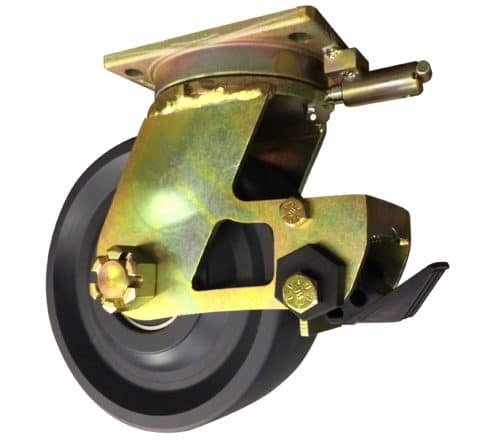
Zinc plating provides reliable corrosion protection while giving wheels and casters a polished finish that looks clean. Many industries rely on zinc-plated components because they offer a combination of durability and affordability. At RWM Casters, we offer zinc-plated products that meet the needs of both industrial and light-duty applications. Understanding what zinc plating is, how it works, and its benefits can help you choose the right finish for your equipment.
What Is Zinc Plating?
The zinc coating (also called plating) is a process of applying a thin layer of zinc on a metal surface. The zinc provides a protective coating that protects the base metal from rust and corrosion. It even protects against surface wear. Effectively, the zinc acts as a sacrificial coating. This means that if the layer corrodes, it preserves the base metal from damage. We use zinc coatings on metal wheels and metal casters to make them last longer and have a better overall appearance.
How the Zinc Plating Process Works
The zinc-plating process involves cleaning the metal components to get rid of dirt, grease, or oil. Subsequently, the part is immersed in an acid bath to prepare or etch the surface. This happens before the electroplating process. During this step, electrical currents pass through the zinc ions, causing them to adhere to the metal surface. A robust and uniform coating then forms, enhancing and improving the functionality and aesthetics.
Our Zinc Plating Services
RWM Casters offer commercial-grade zinc plating for most caster and wheel hardware. Our company guarantees each hardware component a uniform level of coverage, greatly extending its service life and optimizing corrosion protection. This has the knock-on effect of improving the surface quality. We suggest the ideal plating thickness and zinc type for each industrial application.
Key Benefits of Zinc Plating for Casters and Wheels
Wheels and casters benefit quite a bit from zinc plating. It helps improve the appearance while providing a protective layer that will extend the equipment’s longevity. We recommend zinc plating for many different applications.
Corrosion and Rust Resistance
The most noteworthy benefit of this kind of plating is its ability to protect metal from corrosion. Zinc, when applied to various metals, absorbs the adverse effects of moisture and chemicals. It also provides a layer against other, less common environmental factors. Resultingly, wheels and casters last longer in humid and wet industrial environments because the zinc forms a protective layer against rust. This is essential for any equipment that’s exposed to outdoor conditions or even cleaning agents.
Improved Appearance
Zinc plating creates a bright, polished finish that enhances the look of casters and wheels. The equipment appears well-maintained and professional, which is crucial in settings where appearance is important, such as commercial facilities or showrooms. The plating reduces the need for touch-ups or cosmetic maintenance.
Cost-Effective Protection
Zinc plating provides long-lasting corrosion protection without the high cost of stainless steel. It allows you to have durable wheels and casters at a fraction of the price. This makes zinc plating a smart choice for large-scale operations or projects with tight budgets. You get excellent performance without overspending on materials.
Versatility Across Applications
Zinc plating works well on light-duty and industrial equipment. You can apply it to steel wheels, caster frames, or other metal components. Industries ranging from manufacturing to food service utilize zinc-plated casters because they offer reliable protection and adapt to various needs. Zinc plating fits a variety of use cases and keeps your equipment functional for years.
Zinc-Plated Casters in Action
Many industries depend on zinc-plated casters and wheels for durability and reliability. Understanding where zinc-plated products excel will help you make the right choice for your application.
Light- and Medium-Duty Casters
Light- and medium-duty casters, like the 45 series, often operate in offices, labs, or retail environments. Zinc plating helps to prevent surface rust from occasional spills or high humidity. Using zinc-plated casters helps to keep the equipment smooth-rolling and looking clean. These casters maintain performance even with frequent movement over tile, concrete, or carpeted surfaces.
Industrial and Institutional Uses
Industrial environments expose wheels and casters to heavy loads, and chemical cleaning agents and moisture may also be common in these kinds of settings. Institutional applications, like hospitals and schools, require sanitary, corrosion-resistant equipment. Zinc plating protects against rust, reduces maintenance, and provides long-term reliability in these demanding settings. You can trust your equipment to perform consistently under regular use.
Comparing Zinc Plating to Other Finishes
Zinc plating offers a balance between protection, appearance, and cost. Painted or powder-coated finishes will provide a splash of color, but they can chip over time. Stainless steel offers corrosion resistance, but at a much higher cost. Zinc plating provides effective protection, a clean finish, and affordability.
Find the Right Finish for Your Casters from RWM Casters
Choosing the right finish depends on your equipment’s operating environment and load requirements. Zinc-plated casters are suitable for indoor, industrial, and commercial applications where both corrosion protection and appearance are important. Our team can advise you on selecting zinc-plated casters, metal wheels, or custom finishes that meet your needs. Explore our caster descriptions and caster materials guide for additional guidance when considering which option is best for your needs. Contact us today for a consultation.
Frequently Asked Questions
Can zinc-plated casters be used outdoors?
Zinc-plated casters work well outdoors in mild conditions. For prolonged exposure to rain, salt, or extreme humidity, additional coatings or using stainless steel will provide the superior protection that you need. Regular maintenance and cleaning will help maintain the zinc layer and prevent premature corrosion.
Is zinc plating better than stainless steel for corrosion resistance?
Zinc plating protects against rust effectively, but stainless steel provides the highest corrosion resistance. Zinc plating offers a cost-effective solution for most indoor and light-duty outdoor applications. For highly corrosive environments, stainless steel is often the preferred option.
Can I replace wheels with casters on my equipment?
Replacing wheels with casters depends on the equipment design and load capacity. Casters provide mobility and flexibility, while wheels offer fixed movement, rolling in one direction. Consider operational needs and weight requirements before making any changes.
What are the best materials for caster wheels?
Caster wheel materials vary based on load, floor type, and environmental factors. Polyurethane provides smooth rolling, rubber absorbs vibration, and metal handles heavy loads. Zinc-plated steel casters offer corrosion protection while maintaining durability for industrial settings.
Do casters or wheels last longer under heavy loads?
Durability depends on material, finish, and operating conditions. Zinc-plated casters and heavy-duty wheels, designed for load-bearing applications, maintain their performance longer than uncoated options. Routine inspections and maintenance extend their service life.
What's the difference between swivel and rigid casters?
Swivel casters rotate for easier maneuvering in tight spaces. Rigid casters roll straight and provide directional stability. Choosing between the two depends on movement requirements, equipment size, and load considerations.
Contact Us Today